Mastering Visual Stories with 8x10 Landscape Photo Collage Templates
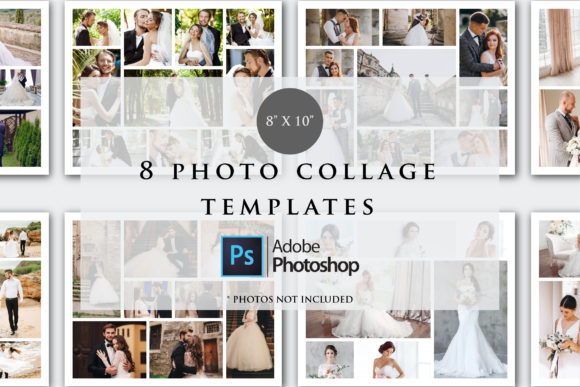
As a creative professional, I spend a lot of time thinking about efficiency without sacrificing quality. Whether you are designing a family portrait layout or compiling a portfolio for a client, the arrangement of images is just as critical as the photography itself. This is where having the right design assets becomes a game-changer. Today, we are looking at a specific set of tools that streamline the post-production workflow: the 8x10 Landscape Photo Collage Templates.
This collection consists of 8 distinct PSD files, each optimized for an 8 by 10-inch landscape orientation. At 300 DPI in RGB color mode, these files are built for high-quality output, bridging the gap between digital screens and physical prints. However, it is vital to understand the technical requirements before integrating these into your workflow. These templates require Adobe Photoshop CC. They will not function on mobile apps or alternative software, and you will need a utility like WinZip or WinRAR to access the files initially.
Understanding the Structure and Style
The appeal of the 8x10 Landscape Photo Collage Templates lies in their versatility and adherence to standard print dimensions. The landscape orientation is naturally pleasing to the human eye, mimicking our horizontal field of vision. This makes these templates ideal for storytelling, where you need to place multiple images side-by-side without the layout feeling cramped or cluttered.
Visually, these templates act as a clean canvas. Unlike display fonts or script fonts that dictate a specific mood through their strokes, a photo collage template provides the structural framework. The "personality" here is one of organization and clarity. The style is typically modern and grid-based, allowing the actual content—your photos—to define the aesthetic. Whether you are working with the sharp lines of modern typography or the soft edges of a handwritten font overlay, the layout supports it. The overall appeal is professional consistency; it transforms a chaotic collection of snapshots into a cohesive visual narrative.
Strategic Applications for Branding and Marketing
For marketers, entrepreneurs, and small business owners, the utility of these templates extends far beyond personal scrapbooking. In the realm of brand identity, consistency is king. If you are running a campaign that requires multiple touchpoints—social media, email headers, and print flyers—using a consistent collage format helps with brand recognition.
Consider social media graphics. Platforms like Instagram and Pinterest favor high-quality visuals. By using these PSD templates, you can quickly assemble product shots or behind-the-scenes images into a single, polished graphic. This is particularly useful for content creators and bloggers who need to maintain a steady posting schedule without spending hours manually aligning layers in Photoshop.
In editorial design and packaging design, these layouts serve as excellent mockups. A publisher might use an 8x10 layout to visualize a magazine spread, testing how different images interact with serif or sans serif fonts. For crafters and hobbyists, the application is equally practical. Creating a gallery wall at home or designing a personalized gift becomes significantly easier when you have a pre-structured template that ensures your images are cropped and sized correctly for printing.
Optimizing Your Workflow and Technical Execution
Working with these templates requires a basic understanding of Photoshop’s layer masking system. The included "Basic Instruction" file is a helpful starting point, but the core mechanic involves clipping masks. Essentially, you place your image above a shape layer and "clip" it, causing your photo to take the shape of the placeholder. This non-destructive editing method is a staple in graphic design and allows for easy adjustments later.
One of the most critical factors to consider is the 300 DPI resolution. This is the industry standard for print quality. If you are using these templates for digital-only purposes, such as a website banner, you have some flexibility. However, if you plan to print the result, ensure your source photos are also high-resolution. Stretching a low-quality image to fit an 8x10 print block will result in pixelation, undermining the professional look of the template.
When customizing these files, think about visual hierarchy. Even though the template defines the grid, you decide which photos go where. Place your strongest image in the largest block or the center of the composition to draw the viewer's eye first. This is similar to how a designer chooses a premium font for a headline to grab attention before the reader moves to the body copy.
Design Considerations and Font Pairing
While the templates are primarily for photos, you will likely want to add text—whether it’s a date, a caption, or a brand name. This is where font pairing comes into play. Because photo collages are visually busy, your typography needs to be legible and complementary.
If you are overlaying text on top of an image area, avoid complex creative fonts or heavy handwritten fonts that can get lost in the photo details. A clean sans serif font often works best for readability against a busy background. Conversely, if you have a dedicated empty space within the collage layout for text, you might opt for a serif font to add a touch of elegance or tradition. The goal is to ensure the text enhances the images without competing with them.
Commercial Use and Licensing
For designers and agencies, the question of commercial licensing is paramount. While the prompt details the file specifications, it is always the responsibility of the user to verify the specific license of the download. Generally, assets like these are intended to be tools used to create a final product. You are typically free to sell the designs you create using the templates (e.g., selling a printed photo book to a client), but you cannot resell the PSD template files themselves as a standalone asset.
This distinction is important for maintaining ethical standards in the design community. These design assets are meant to speed up your process, allowing you to focus on the creative strategy rather than building basic grids from scratch. By leveraging the 8x10 Landscape Photo Collage Templates, you are adopting a professional standard that respects both the time of the creator and the quality expected by the audience.
Ultimately, these templates are a practical addition to any digital toolkit. They simplify the complex task of layout design, ensuring that whether you are a designer working on a client project or a hobbyist preserving memories, the final result is polished, professional, and ready for display.