Unlock Creative Flexibility with Vector Design Templates
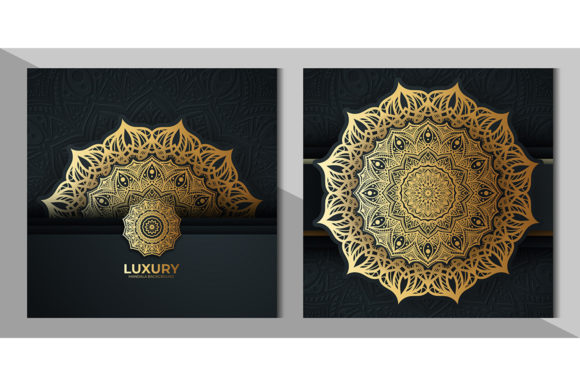
When you are building a brand or launching a new marketing campaign, starting from a blank canvas every single time is exhausting. That is why having a robust Set of Vector Design Templates in your digital toolkit is a game-changer. These aren't just static images; they are scalable assets that adapt to your specific needs. Whether you are a designer crafting a new visual identity or an entrepreneur managing your own social media, these templates provide the structure you need without sacrificing creativity. The visual personality of a high-quality vector set usually leans towards clean lines, balanced compositions, and modern aesthetics that appeal to a broad audience. It isn't about using a generic cookie-cutter look; it is about having a professional foundation that you can customize to reflect your unique style.
Understanding the Power of EPS and JPG Formats
The true value of this asset lies in its versatility, specifically regarding the file formats included. When you download this collection, you are getting two critical types of files: EPS and JPG. Understanding the difference between these is essential for any creative professional.
The EPS file (Encapsulated PostScript) is the powerhouse of the set. This is the vector format, which means the graphics are created using mathematical formulas rather than pixels. This allows you to scale the designs up to the side of a billboard or down to a business card without losing a single ounce of quality. If you are working on logo design, packaging design, or large-format printing, the EPS file is what you will use. It allows for full editing in software like Adobe Illustrator or CorelDRAW, meaning you can change colors, resize elements, and rearrange compositions to fit your brand identity.
On the other hand, the JPG file is perfect for quick implementation. These are raster images, meaning they are pixel-based and ready to use immediately. They are ideal for web design, social media graphics, email newsletters, and blog posts where you need a quick visual element without the need for complex editing software. Having both formats ensures that you are covered for professional print production and rapid digital deployment.
Practical Applications for Every Creator
You might be wondering how a set of templates fits into your specific workflow. The answer is: almost everywhere. For marketers, these assets are invaluable for creating consistent visual campaigns across different platforms. You can use a vector illustration on a printed flyer and then use a modified JPG version of the same graphic in an Instagram story, ensuring visual cohesion.
For bloggers and publishers, these templates solve the headache of finding royalty-free images that don't look like stock photos. By customizing the vectors, you create unique imagery that stands out in a crowded feed. Crafters and hobbyists can also benefit immensely. If you use a Cricut or Silhouette machine, vector files are the gold standard. You can cut these designs out of vinyl, paper, or fabric to create custom merchandise, home decor, or personalized gifts.
Even if you aren't a professional designer, the structure of these templates helps guide your creative decisions. They often come with suggested color palettes and layouts that act as a safety net, ensuring your final product looks professional. It bridges the gap between amateur attempts and high-end design assets.
Integrating Templates into Modern Typography
One of the most common questions when using pre-made graphics is how to handle the text. While this set focuses on design elements, it is crucial to pair them with the right typeface to create effective visual hierarchy. Because these templates often feature clean, modern lines, they pair exceptionally well with a wide range of fonts.
For a sleek, corporate look, try pairing these vectors with a sans serif font. The simplicity of the sans serif allows the detail of the vector art to shine without competing for attention. If your project is more editorial or high-fashion, combining these graphics with a sophisticated serif font can add a touch of elegance and authority. For projects that need a personal touch, like wedding invitations or boutique branding, a script font or handwritten font can soften the geometric nature of the vectors.
Don't be afraid to experiment with font pairing. Use a bold display font for your headers to grab attention, supported by the vector graphics, and use a legible body text for the details. The goal is to create a balanced composition where the typography and the imagery work together to guide the viewer's eye. This synergy is what separates mediocre design from effective modern typography.
Making the Most of Your Download
Before you dive into your next project, take a moment to review the specific styles included in your download. Look at the line weights, the color complexity, and the overall mood of the illustrations. Do they match the tone of your message? A playful, colorful set might work great for a children's brand but could feel out of place for a serious financial institution.
Always test your font pairings and color adjustments on a small scale first. Create a mood board to see how the templates interact with your existing brand colors. Remember that while these are premium font alternatives in terms of design quality, they are tools meant to serve your vision, not dictate it. Whether you are refreshing your website, designing a new ebook cover, or creating merchandise, this Set of Vector Design Templates offers the flexibility and professional polish you need to execute your ideas with confidence.