Wood Laser Cut Jig Cutting Templates 703: Your Key to Precision
Every crafter and small business owner knows the frustration. You have a perfect design, your laser cutter is humming, but your final product comes out slightly crooked, or worse, ruined because the material shifted mid-cut. This is where a reliable system changes everything. The Wood Laser Cut Jig Cutting Templates 703 is more than just a set of files; it's a foundational tool for anyone serious about production. It provides the physical framework needed to hold your materials perfectly still, ensuring every single engraving is exactly where you intended it to be.
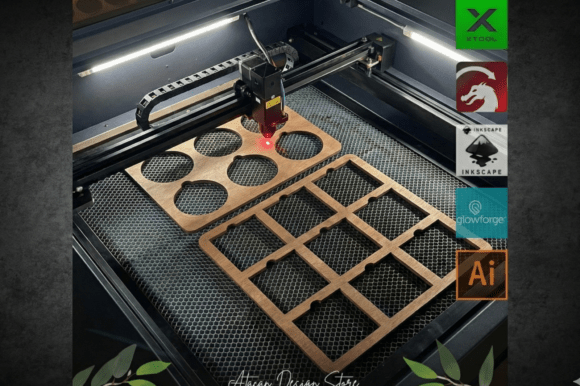
At its core, this bundle is about eliminating guesswork and waste. The templates are designed to create sturdy, reusable jigs from materials like MDF or plywood. You cut the jig once, and then you can use it hundreds of times. The visual appeal lies in its clean, utilitarian design. There are no frills—just precise, interlocking shapes engineered for maximum grip and alignment. This style speaks to efficiency and professionalism. It's the kind of unassuming, behind-the-scenes asset that dramatically elevates the quality of your visible work, from custom coasters and ornaments to branded signage and product packaging.
Integrating Precision into Your Creative Workflow
The true power of the Wood Laser Cut Jig Cutting Templates 703 is how it streamlines your entire process. For a small business owner producing batches of engraved jewelry or wooden tags, this means setting up a job once and letting it run with confidence. The templates are compatible with a wide range of machines—Glowforge, xTool, OmTech—and software like LightBurn and Adobe Illustrator. This broad compatibility means you can focus on design and production, not on technical troubleshooting.
Think about the impact on your brand identity. Consistent, high-quality output is non-negotiable for building trust. When every coaster you ship has a flawlessly centered logo, or every ornament has a perfectly aligned design, it communicates a level of care that customers notice. This jig system directly supports that consistency. It turns a potential variable—the physical placement of your material—into a constant. This reliability is a form of modern typography for your production line; it's about arranging elements with precision to create a harmonious and professional final product.
Practical Applications Across Projects
So, where does this tool fit best? Its applications are vast. For packaging design, you can create jigs to hold small boxes or tags in place for precise engraving of logos or messages. In editorial design for a craft publication, you could use it to produce consistent samples for photography. A graphic designer creating a series of wooden business cards or awards will find it invaluable for maintaining perfect alignment across an entire print run.
Here’s a practical guide to getting started:
- Evaluate Your Needs: Look at your most common product shapes and sizes. The bundle includes templates for circles and squares, which cover a huge range of common items like coasters, tiles, and ornament blanks.
- Test with Scrap Material: Before cutting your final jig, always run the template on a scrap piece of wood to ensure the fit is correct for your specific material thickness. A snug fit is key to preventing movement.
- Consider Production Volume: If you're a hobbyist, a single jig might last you for years. If you're a business owner fulfilling orders, you might want to cut multiple jigs to have backups ready or to use on different machines.
Remember, these are digital design assets. You own the files to create physical products for your personal or commercial use. This is a commercial font for your workshop—the license allows you to make and sell the physical jigs you create, but you cannot resell the digital templates themselves. This protects the creator's work while giving you a powerful tool to build your own.
Building a Foundation for Quality
In the end, the Wood Laser Cut Jig Cutting Templates 703 is about building a solid foundation. Just as choosing the right typeface sets the tone for a logo design or a website, using the right jig sets the standard for your physical products. It’s an investment in efficiency that pays for itself in saved time, reduced material waste, and the professional reputation you build with every perfectly crafted item. Stop wrestling with alignment and start creating with the confidence that comes from a truly professional setup.