Compost Icon Vector Design Templates: A Designer's Best Friend
You’ve likely seen them everywhere—the small, meaningful graphics that instantly communicate an idea. A tiny recycling symbol on a product label, a stylized leaf on a sustainability report, a bin icon on a website. These aren't just decorations; they're visual shorthand. When you need to convey concepts related to nature, recycling, sustainability, or organic processes, a well-designed compost icon vector is indispensable. That's precisely what these templates offer: a library of ready-to-use, professional-grade graphics designed for real-world projects.
More Than Just a Pretty Picture: The Anatomy of a Useful Icon
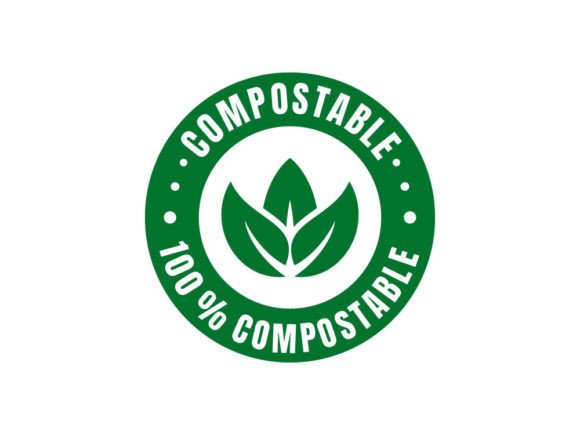
At first glance, a compost icon might seem simple. But the best ones strike a careful balance. The visual style here is clean, modern, and universally recognizable. Think of the classic compost bin silhouette, often paired with a stylized arrow or leaf motif. The personality is approachable and informative, not overly whimsical or childish. This makes it a versatile design asset for serious applications. The appeal lies in its clarity and scalability. Being vector-based graphics, these icons are mathematically defined, meaning you can scale them from the size of a postage stamp to a billboard without a single pixel of blur or distortion. The provided EPS 10 format is the industry standard for this kind of work, ensuring deep compatibility with professional software.
Where These Icons Truly Shine: Practical Applications
The real value of a template like this is its flexibility. As a designer or business owner, you're not buying a single image; you're investing in a toolkit. Here’s where these compost icon vector design templates prove their worth across the spectrum:
- Branding & Identity: For a brand built on eco-conscious values—be it a local organic farm, a green tech startup, or a sustainable fashion line—a consistent icon set becomes a core part of the brand identity. Use it as a secondary logo element, on business cards, or as a favicon.
- Editorial & Publishing: Magazines, blogs, and reports focused on environment, gardening, or lifestyle need crisp graphics. These icons integrate seamlessly into editorial design, breaking up text and guiding the reader's eye in print or digital layouts.
- Packaging & Product Design: On a coffee bag, a compostable packaging label, or a gardening tool box, a clear compost icon communicates product attributes instantly. It supports packaging design by adding a layer of trust and clarity.
- Digital & Web Design: Websites, apps, and social media graphics demand lightweight, fast-loading assets. These vectors are perfect for infographics, website headers, email campaigns, and Instagram stories where quick comprehension is key.
- Marketing & Advertising: From flyers for a community composting program to digital ads for an earth-friendly product, icons enhance visual hierarchy and message retention. They make marketing materials more scannable and engaging.
- Personal & Commercial Projects: Crafters can use them for vinyl decals, t-shirt designs, or educational posters. Small business owners can create consistent signage. The licensing typically covers both personal and commercial use, a crucial detail for entrepreneurs.
The Strategic Impact: More Than Meets the Eye
Choosing the right icon set isn't just an aesthetic decision; it's a strategic one. Consistent use of a high-quality icon like this influences how your audience perceives your work. It builds visual hierarchy, making your layouts more organized and professional. In a crowded market, such consistency fosters recognition—your audience starts to associate that clean, green symbol with your message. This strengthens your overall brand perception, positioning you as thoughtful and detail-oriented.
Making It Work for You: A Practical Guide
So, you've downloaded the file. Now what? Here’s how to integrate these assets effectively:
- Evaluate the Fit: Does the icon's style match your project's tone? A very minimalist, geometric icon might suit a tech company's annual report, while a slightly more organic, hand-drawn style could be perfect for a craft brewery's label. Review the entire set—often there are variations in style (outline, filled, with or without leaves).
- Test Font Pairings: Icons often live alongside text. If you're using them in a logo design or on a poster, consider how they interact with your chosen typeface. A bold, clean sans serif font usually pairs well with simple icons. Avoid overly decorative script fonts or complex handwritten fonts that can create visual competition.
- Check Scalability and Editability: Open the EPS file in Adobe Illustrator. Can you easily change the color to match your brand palette? Can you remove a single leaf element if needed? The true power of a vector template is this editability. Ensure the file is well-organized with grouped layers.
- Readability in Context: Place the icon in its intended environment—a dark website header, a light brochure page, next to dense text. Does it remain clear and legible? At small sizes, overly detailed icons can become muddy. Simpler designs often have better readability.
- Understand the License: This is non-negotiable. The description states it's ready for "anything you want," but always verify the included license. Most reputable templates allow for unlimited commercial projects, but it's your responsibility to confirm there are no restrictions for your specific use case, especially for commercial font or asset licensing.
Ultimately, a great set of compost icon vector design templates is like a trusted toolbox. It won't design the house for you, but it gives you the reliable, professional-grade tools to build something coherent, effective, and visually resonant. It saves you hours of drawing from scratch or searching for lower-quality alternatives, letting you focus on the bigger picture of your project's message and strategy. For anyone working with themes of growth, sustainability, and nature, it’s a resource that earns its place in your asset library.